Recognizing Dog Pain: 12 Hidden Signs Pet Parents Miss

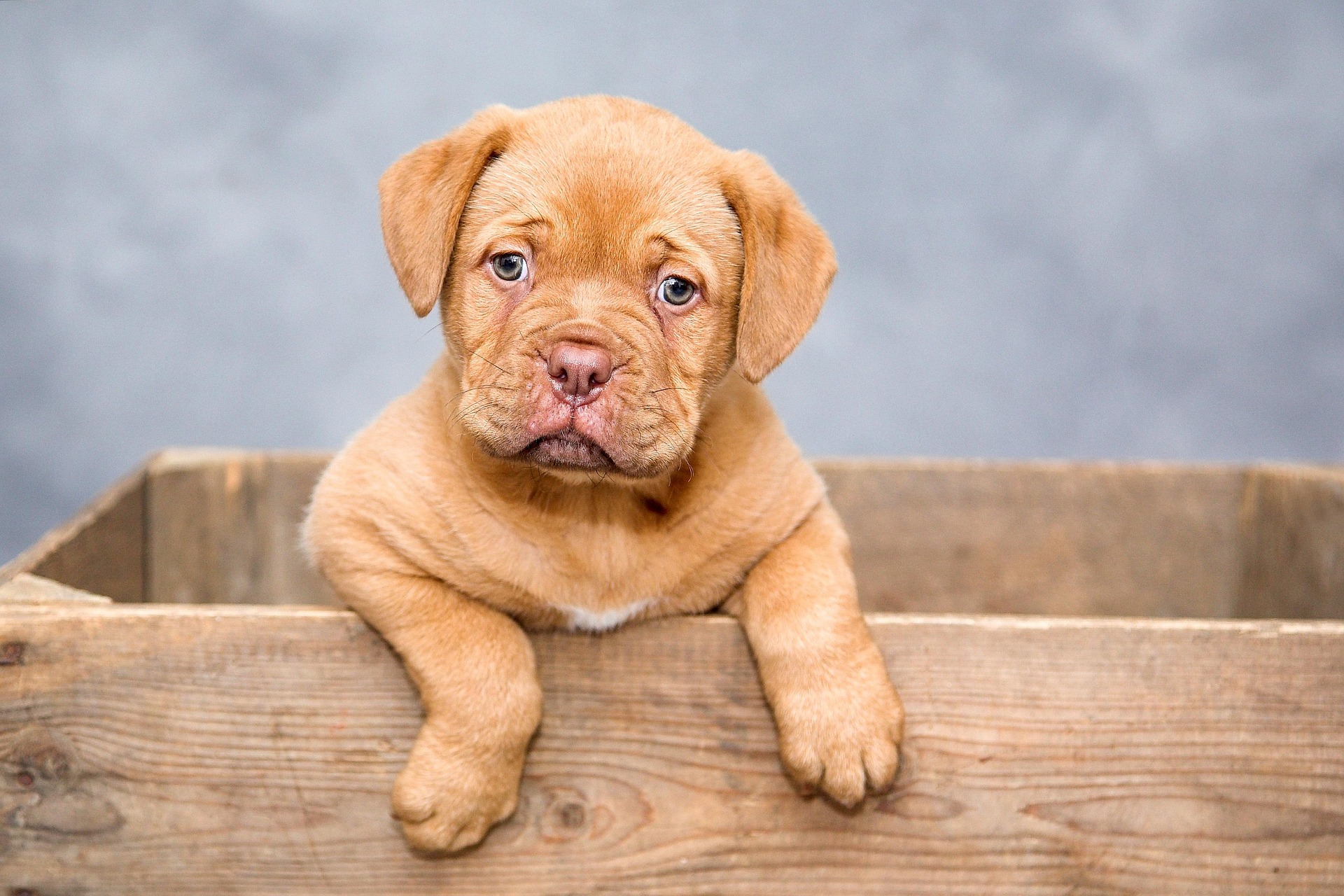
Dogs are masters at concealing pain. They can't tell you if something hurts, and many dogs will do this as a protective instinct. Sadly, many pet parents don't realize there is a pain in their pets until it is very severe.
Even if your puppy or dog is suffering from arthritis, injury, dental problems or some hidden disease, your ability to understand dog pain behavior and body language changes help you get them seen by a vet in time before they become more severe.
Ways To Know Your Dog Is In Pain
Here are 12 hidden signs of pain in dogs compiled by experts at Doggywala – KCI registered dog breeder in India.
1. Squinting or Half-Closed Eyes
Facial expressions may show signs of pain in subtle ways. Sometimes, dogs squint, don't make eye contact or close their eyes a bit when they are feeling uncomfortable.
This behavior can be seen with eye injuries, headache, dental disease or any type of general pain. Other dogs may also get a blank or offlook expression. Although facial changes may not be obvious, it is important that pet parents notice any strange-looking facial expressions that last for over a day or two.
2. Restlessness During Sleep
Dogs require good sleep like people do to heal and get better. Their ability to get a good night's sleep can be affected by pain.
Your dog might be shifting positions a lot, pacing around the house at night, or moving around from place to place where it is sleeping. Other dogs can even refuse to lay down at all, as rising is painful. If your pet is restless during the night for a long time, you should definitely reach the vet or any reputed dog breeder in India.
3. Subtle Limping or Favoring One Leg
Most dog owners think that a dog suffering pain will show a clear limp; however, the first symptoms of pain are far more subtle.
Your dog might stick out a paw when standing or move from side to side, or might be unsure when you start to walk. These minor adjustments can be a warning sign of joint inflammation, arthritis, muscle strain, ligament damage or even paw injury.
If the gait change is intermittent, do not assume that it has been resolved. Often, one of the first symptoms of chronic pain is intermittent lameness.
4. Stiffness After Rest
Stiffness is a common problem in older pets but can occur in younger pets too. If a dog is uncomfortable, it may take longer to rise after sleeping or stretch many times and/or walk slowly for the first few minutes out of bed.
This may seem like a normal part of aging, but if stiffness continues, it could be associated with arthritis, hip dysplasia, spine problems, or other musculoskeletal disorders. The stiffness may be better with activity, but generally returns when resting.
5. Decreased Interest in Walks and Exercise
One of the most common things those with chronic pain don't notice is a decrease in activity. Your dog might still be able to walk, but they may be slower, stop a lot more often, or get more tired than normal.
They may also become disinterested in activities such as fetch or not wanting to run with other dogs. Chronic pain in dogs not only cuts back on stamina but also motivation causing dogs that once were very active to look lazy, when they are not.
6. Droopy or Pinned-Back Ears
A dog's ears can give a lot of information about their emotions and state of health. When dogs are in pain, they will drag their ears back or flatten them against the top of their head giving them a worried or down look.
The change is more pronounced in breeds which have naturally erect ears. Ear position is a factor that, in conjunction with lesser activity and changes in facial expression, can alert pet parents to discomfort before it is more apparent.
7. Aversion to Jumping, Climbing Stairs
Dogs love to jump on things, especially the sofa, run up and down stairs, or climb up into the car. If your dog hesitates to do these things at the same time, it could be due to dog pain. These movements may be difficult due to joint discomfort, back pain, knee problems or hip problems.
Some dogs stare at the stairs, look for a different path or wait for someone to help them before trying the stairs.
8. Inability to Exercise in a Controlled Environment
Panting is normal after exercise or when it is hot, but when the animal is resting and panting a lot, this is not. Painful dogs can pant a lot even in cold weather.
This is because discomfort can cause stress reactions within the body. Pacing, trembling, and difficulty in resting could also manifest in excessive panting. When a dog pants more than usual and for no apparent reason, it is advisable to obtain a veterinary evaluation or contact a trusted breeder such as Doggywala. We offer 24 x 7 customer support to pet parents. Reach out to us as we’ve pure bred puppies for sale in India.
9. Withdrawal from Family Interaction
When a dog is suffering from pain, it's likely that it becomes less social as well. A dog that is a usual family pet may begin to isolate more, or stay quiet in secluded spots within the home.
Others don't wish to be handled and being touched makes them more uncomfortable. Others may just not have the energy to interact with others and other pets. A sudden personality change should always be considered a serious matter.
10. Excessive Licking, Biting or Scratching
When a dog feels pain in an area it will try to relieve the pain by licking or chewing that area repeatedly. There could be too much attention on a specific paw, joint, hip or body part. This can lead to hair loss, skin irritation or infections over time. Licking is not necessarily a behavioral issue; it can be your dog's way of saying something hurts.
11. Decreased Hunger or Thirst
Dogs' temperaments can be greatly impacted by pain. Even the friendliest of doggies can growl, snap or become defensive if they are approached in an area that hurts them.
This is not because the dog is aggressive by nature, but rather to avoid additional pain. Don't punish a dog for a reaction to pain. Rather, consult a vet or your dog breeder in India from where you got the puppy to find and treat the cause of the problem.
12. Appetite or Bathroom Habits Change
Dogs can experience and live with pain in almost every part of their day to day lives. Some dogs eat more slowly, lose interest in food or turn down treats they previously liked.
Changes in appetite can be due to dental pain, digestive discomfort, and chronic illness. Likewise, if the joint is painful or the back ails, it may be too late to reach the door, causing an accident in the house.
Conclusion
Recognizing dog pain early is one of the most important responsibilities of a pet parent. While obvious injuries are easier to identify, subtle signs such as stiffness, facial expression changes, reduced activity, or behavioral shifts often go unnoticed.
By paying close attention to these hidden dog pain warning signs, you can ensure your furry companion receives timely care and enjoys a healthier, happier, and more comfortable life. If you notice any persistent changes in your dog's behavior or movement, don't wait, consult your veterinarian or talk to experts at the best dog breeder in India as soon as possible.

Recent Posts
-
1
-
 2
2 -
 3
3 -
 418 Jun 2026
 -
 5
5
